An ebook, or electronic book, is a digital version of a book. It includes text and images. You can read it on computers or other electronic devices.
Ebooks have changed how we read books and access information. They offer a convenient and accessible way to enjoy reading. Many people prefer ebooks because they can read on different devices.
Ebooks are easy to store and carry around. You can have many books on one device. This digital shift has opened up new ways for authors and readers to connect.
What is an Ebook?
Definition of an Ebook
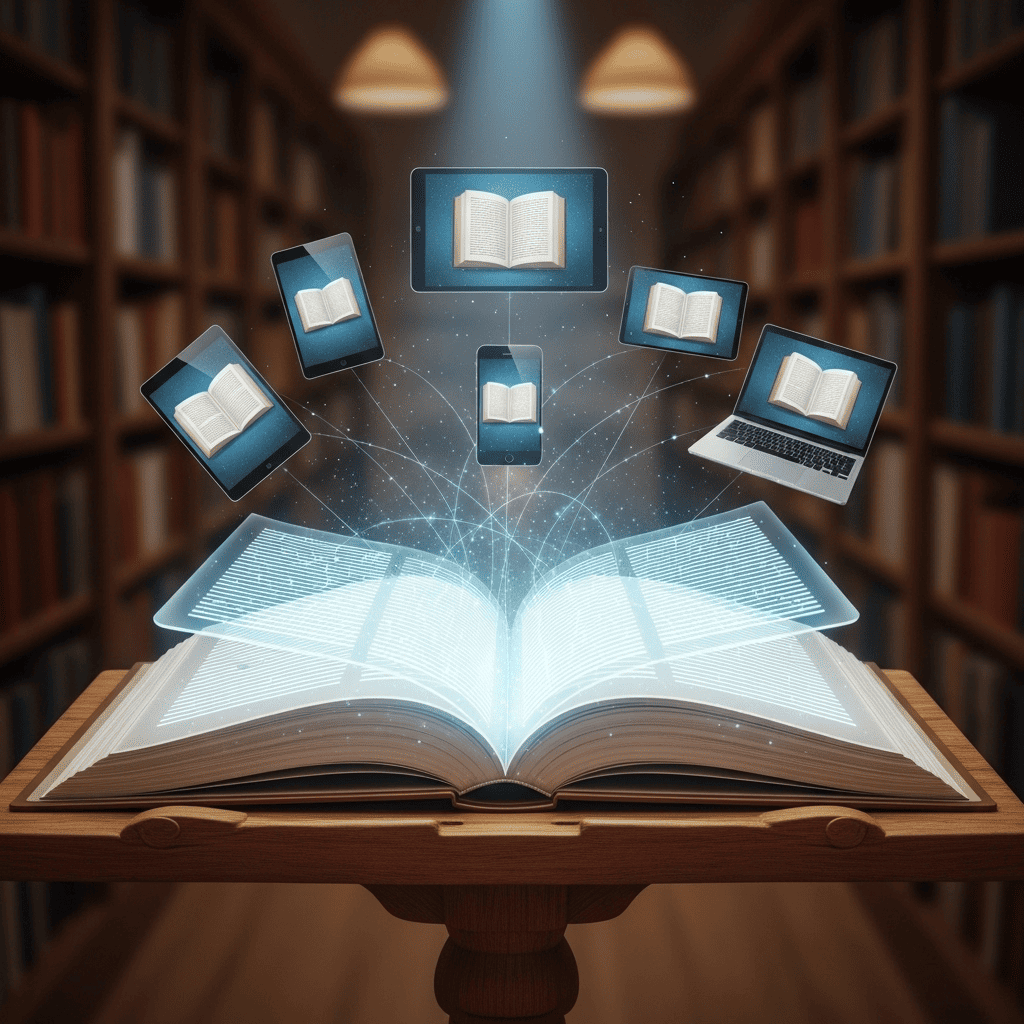
An ebook is a digital book that you can read on many devices. You can use it on e-readers or on computers, laptops, tablets, and phones. It’s easy to read on any screen.
Understanding Digital Books
Digital books, or ebooks, give a special reading experience. They are not just digital versions of print books. Some ebooks have interactive content and multimedia that you can’t find in print.
Ebooks are very flexible. You can adjust font sizes, brightness, and line spacing to make reading better for you.
Comparison with Print Books
There are big differences between ebooks and print books:
- Ebooks are portable and convenient. You can carry many books on one device.
- Print books give a tactile experience. Many love the feel and smell of real pages.
- Ebooks are often more accessible. They have features like text-to-speech for readers with disabilities.
Whether you prefer ebooks or print books depends on what you like. Some people like both for different times or needs.
History of Ebooks
The idea of digital books has been around for a while. People thought about reading on devices back in the early 20th century. But ebooks really started to take off with the advent of computers and the internet.
The Evolution of Reading
How we read has changed a lot over time. From the printing press to digital tech, each step brought a new era. Project Gutenberg launched in 1971 was a big moment. It made classic literature digital and free for everyone.
The shift to ebooks isn’t just about tech. It’s also about how we get information. With ebooks, you can carry many books on one device. You can change font sizes and read anywhere, making reading better.
Pioneering Technologies
Many key technologies helped ebooks grow. Bob Brown suggested an e-reader in 1930. This idea led to the first e-reader devices in the late 20th century.
E-ink technology changed the ebook world. It makes reading feel like paper, easing eye strain and saving battery. This tech made e-readers popular today.
Types of Ebooks
Ebooks have changed how we read, offering many genres and formats. They cater to different tastes and preferences.
Fiction vs. Non-Fiction
Ebooks come in fiction and non-fiction. Fiction ebooks include novels, short stories, and poetry. Non-fiction ebooks cover topics like biographies, memoirs, self-help, and essays.
Choosing between fiction and non-fiction ebooks is important. It lets readers pick what interests them. Whether you want to dive into a story or learn something new, there’s an ebook for you.
Academic and Educational Ebooks
Academic and educational ebooks are getting more popular. They offer students and researchers a wide range of educational resources. This includes textbooks, research papers, and study guides.
Academic ebooks are great because they’re cost-effective and portable. Students can carry all their textbooks and resources on one device.
Interactive Ebooks
Interactive ebooks offer a better reading experience. They have multimedia content, quizzes, and interactive exercises. This makes learning fun and engaging.
Interactive ebooks are great for kids, making reading fun. But they’re also used in schools to make learning fun for students of all ages.
Benefits of Ebooks
Ebooks offer many advantages, such as convenience, accessibility, and cost savings. These benefits make ebooks a great choice for many readers.
Portability and Convenience
Ebooks are super portable and convenient. You can store lots of books on one device. This is great for travelers or those who take public transport.
Key benefits include:
- Carrying multiple books without the weight
- Adjusting font sizes for comfortable reading
- Accessing ebooks anywhere, anytime
Accessibility Features
Ebooks have features that help readers with disabilities. These include text-to-speech, font size adjustment, and high contrast modes.
Some notable accessibility features are:
- Text-to-speech functionality for visually impaired readers
- Customizable font sizes and styles for comfort
- High contrast modes for easier reading
Cost Effectiveness
Ebooks are often cheaper than printed books. This is because they cost less to produce and distribute. Plus, many classics and public domain works are free.
The cost benefits of ebooks include:
- Lower purchase prices for many titles
- Free access to public domain works
- Subscription services offering affordable access to a vast library
Popular Ebook Formats
Ebook formats have grown in variety to meet the demand for flexible reading. Now, ebooks come in many formats, each with its own special features. They work well with different devices.
EPUB Format
The EPUB format is very popular. It’s known for being flexible and working with most ebook readers. It lets you change font sizes and supports multimedia, making it a favorite among readers.
Key Features of EPUB:
- Reflowable content that adjusts to the reader’s device
- Support for multimedia elements like images and audio
- Compatibility with a wide range of ebook readers and apps
PDF Format
The PDF format is also widely used. It keeps the original design and formatting of a document. PDFs are great for books with complex layouts, like textbooks and graphic novels.
Advantages of PDF:
- Preserves the original layout and design
- Suitable for documents with complex formatting
- Can be read on various devices with PDF viewer software
MOBI Format
The MOBI format is mainly for Amazon’s Kindle e-readers. It offers a smooth reading experience on Kindle devices. It supports features like annotations and bookmarks.
Characteristics of MOBI:
| Feature | Description |
|---|---|
| Compatibility | Primarily used by Amazon Kindle devices |
| Reading Experience | Supports annotations, bookmarks, and other interactive features |
| File Conversion | Can be converted from other formats like EPUB |
Knowing about different ebook formats helps you pick the right device or app. Whether you like EPUB’s flexibility, PDF’s layout, or MOBI for Kindle, there’s a format for you.
How to Read Ebooks
Ebooks are a great way to read on the go. You can use many devices and apps to enjoy digital books. Today, technology lets us access a huge library of ebooks easily.
Devices for Reading
Many devices can read ebooks. You can use dedicated e-readers like Amazon’s Kindle. They have e-ink displays that look like real paper.
Tablets and smartphones let you read ebooks and more. Computers are good for ebooks with multimedia.
Ereading Apps
Ereading apps make reading ebooks better. Apps like Apple Books and Kindle let you manage your ebooks. They also let you change font sizes and track your reading.
E-Readers vs. Tablets
Choosing between e-readers and tablets depends on what you like. E-readers are great for those who want to focus on reading. They have long battery life.
Tablets are good for more than just reading. They have LCD or OLED displays. E-readers are more portable and last longer, but tablets are more versatile.
Where to Buy Ebooks
Now, it’s easier than ever to get ebooks from many online places. This makes reading more convenient than before. It has opened new ways for book lovers to enjoy their favorite stories.
Online Retailers
Online stores are top choices for ebooks. Amazon has a huge selection in many genres. Barnes & Noble and Apple Books are also great. They offer good prices, discounts, and easy-to-use websites.
- Amazon: Known for its vast selection and Kindle ecosystem.
- Barnes & Noble: Offers a wide range of ebooks compatible with Nook devices.
- Apple Books: Seamlessly integrates with Apple devices for a smooth reading experience.
Libraries and Digital Lending
Libraries now offer ebooks for borrowing through digital services. OverDrive lets users borrow ebooks and audiobooks with a library card. It’s free and great for book lovers.
Digital lending is also good for the environment. It’s a green alternative to borrowing physical books.
Subscription Services
For frequent readers, subscription services are a smart choice. Kindle Unlimited and Scribd give access to many ebooks for a monthly fee. They’re perfect for those who like to try different books without buying them.
- Kindle Unlimited: Offers a vast selection of ebooks, including original content.
- Scribd: Provides access to ebooks, audiobooks, and documents for a flat monthly rate.
In conclusion, there are many ways to buy or get ebooks. Whether through online stores, libraries, or subscription services, readers can pick what works best for them. This flexibility makes reading even more enjoyable.
Ebooks in Education
Ebooks have changed how students learn and teachers teach. They make learning fun and easy to understand. This is because ebooks are interactive and full of multimedia features.
Enhancing Learning Experiences
Ebooks have cool features like videos, animations, and quizzes. These make learning fun and keep students interested. It also gets them more involved and motivated.
Interactive Content: Ebooks let students dive into the material. They can click on links, explore diagrams, and more. It’s a hands-on way to learn.
Personalized Learning: Teachers can adjust ebooks for each student. They can highlight key points, add notes, and mark important pages. This helps students stay on track and review what they’ve learned.
Tools for Teachers and Students
Ebooks come with tools for both teachers and students. Teachers can see how students are doing, give reading tasks, and check understanding with quizzes. It’s all part of the ebook package.
- Accessibility: Ebooks are easy to get on different devices. Students can study anywhere, anytime.
- Organization: Ebooks keep study materials tidy. No more messy textbooks.
- Collaboration: Many ebook platforms support teamwork. Students and teachers can work together on projects and discussions.
Teachers can use these tools to make learning exciting and inclusive. It helps meet the needs of all students.
Self-Publishing Ebooks
Self-publishing ebooks is now easier for everyone. Authors can turn their manuscripts into digital books. They can share them worldwide through different platforms.
Steps to Create an Ebook
Creating an ebook takes a few steps. First, you need to prepare your manuscript. Then, format it so it looks good on all devices. Finally, design a cover that grabs attention.
Formatting is key. It makes sure your ebook works on all devices. You can use tools like Microsoft Word or Adobe InDesign for this.
- Prepare your manuscript by editing and proofreading.
- Format your ebook to ensure compatibility with different reading devices.
- Design an eye-catching cover that captures the essence of your book.
- Convert your manuscript into the required digital formats (e.g., EPUB, MOBI, PDF).
Platforms for Self-Publishing
There are many platforms for self-publishing ebooks. Each has its own benefits. You can choose from Amazon Kindle Direct Publishing (KDP), Smashwords, Lulu, and Apple Books.
These platforms help you get your ebook to big retailers. They also offer tools for marketing and tracking sales.
| Platform | Features | Royalty Rate |
|---|---|---|
| Amazon KDP | Easy to use, global distribution, marketing tools | Up to 70% |
| Smashwords | Distribution to multiple retailers, formatting guidelines | Up to 85% |
| Lulu | Print and digital publishing, global distribution | Up to 90% |
By following the steps to create an ebook and using the right platforms, authors can publish their work. They can then share it with their audience.
Challenges of Ebooks
The move to digital reading has brought new problems. Ebooks have many benefits but also face challenges. These affect both readers and publishers.
Digital Rights Management (DRM)
Digital Rights Management (DRM) is a big issue in ebooks. DRM is used to protect ebooks from being shared without permission. But it can also make ebooks less flexible and hard to access.
DRM can cause problems with different devices and platforms. It might also make readers unhappy and limit how many people can read an ebook.
Screen Fatigue
Screen fatigue is another problem with ebooks. Reading on screens for a long time can hurt your eyes and cause headaches. This is worse in dim light because of the blue light from screens.
To help with this, ebook platforms and devices have added features. These include blue light filters, adjustable font sizes, and reading modes. They make reading more comfortable and reduce eye strain.
Quality Control
Quality control is key in ebook publishing. It’s important to make sure ebooks are error-free and well-formatted. This keeps readers happy and loyal.
Publishers need to check ebooks carefully. They should use professional editing and formatting tools. This helps make ebooks of high quality.
Future of Ebooks
New trends and tech breakthroughs will change the ebook world soon. The digital world keeps growing, and ebooks will see big changes.
Trends in Ebook Publishing
The ebook world is moving towards more interactive and engaging content. Interactive ebooks with multimedia are getting more popular. They make reading better for everyone.
Audiobook integration is also on the rise. It lets readers easily switch between reading and listening. This is thanks to better voice tech and more people wanting audio books.
The Impact of Technology
Technology is key in shaping ebook’s future. Artificial intelligence (AI) and machine learning (ML) make reading more personal. They suggest books based on what you like.
Also, better display technology makes ebooks easier to read on different devices. This means you can enjoy books on phones, tablets, and e-readers without eye strain.
As tech keeps improving, ebooks will become even more part of our daily lives. They will offer new ways to enjoy written content.
Conclusion
Ebooks have changed how we read, making it easier and cheaper than print books. As digital technology grows, ebooks are getting more popular. They open up new chances for both readers and publishers.
Embracing the Digital Reading Experience
Ebooks have made reading better and more fun. Now, readers can find lots of books easily. They can also change how they read, like font sizes and dictionaries.
The future of ebooks looks bright. More people will read digitally. This can make everyone love reading more. Ebooks let us find new stories and enjoy reading in new ways.