
Are you an artist or illustrator looking to make money from your art? Creating a coloring book is a great way to do this.
Adult coloring has become very popular, leading to a higher demand for good coloring books. But what makes a coloring book really stand out?
In this article, we’ll show you how to make a coloring book that really catches the eye. We’ll cover everything from the first idea to getting it out there.
By the time you finish this guide, you’ll know how to create a coloring book that people will love. It will be something that really speaks to your audience.
Understanding the Appeal of Coloring Books
Coloring books have become very popular. They offer a mix of creativity and relaxation. This makes them loved by kids and grown-ups alike.
Benefits for Adults and Children
Coloring books are great for both kids and adults. For kids, they help with fine motor skills and creativity. For adults, they provide a calm break from daily life.
Key benefits for adults include:
- Stress relief
- Improved focus and concentration
- Enhanced creativity
For children, the benefits are:
- Development of fine motor skills
- Enhanced creativity and self-expression
- Improved patience and focus
Popular Themes and Styles
Coloring books have many themes and styles. They appeal to different interests and tastes. Some popular themes include:
| Theme | Description | Target Audience |
|---|---|---|
| Nature | Features illustrations of plants, animals, and landscapes. | Both adults and children |
| Fantasy | Includes mythical creatures, magical realms, and fairy tales. | Primarily children, but also adults who enjoy fantasy |
| Mandalas | Intricate designs and patterns that promote relaxation and focus. | Mainly adults seeking stress relief |
There’s a coloring book for everyone. They offer a fun and creative activity for all ages.
Choosing Your Coloring Book Concept
To make a great coloring book, start with a concept that speaks to your audience. Know who you’re making it for, think of creative ideas, and pick a theme that grabs their interest.
Identifying Your Target Audience
It’s key to know who your coloring book is for. Are you making it for kids or grown-ups? Different people like different things, like simple pictures or detailed designs.
For example, kids might like pictures of animals or cartoons. Grown-ups might enjoy more complex designs, like mandalas or nature scenes.
Brainstorming Creative Ideas
Brainstorming is a big part of making your coloring book idea. Think about what’s popular or what’s new. Look for ideas in art, nature, or pop culture.
- Look at different cultures and traditions for unique ideas.
- Think about coloring books for special times or holidays.
- Use your own experiences or hobbies for inspiration.
Selecting a Theme
After brainstorming, pick a theme for your coloring book. The theme should match your audience and be fun. Make sure it’s not too hard or too easy to color.
Tips for selecting a theme:
- Make sure the theme fits what your audience likes.
- Choose a theme that lets people be creative.
- Think about if the theme can teach something, if that’s what you want.
By picking the right coloring book concept, you’ll make something fun and engaging for your audience.
Designing Coloring Pages
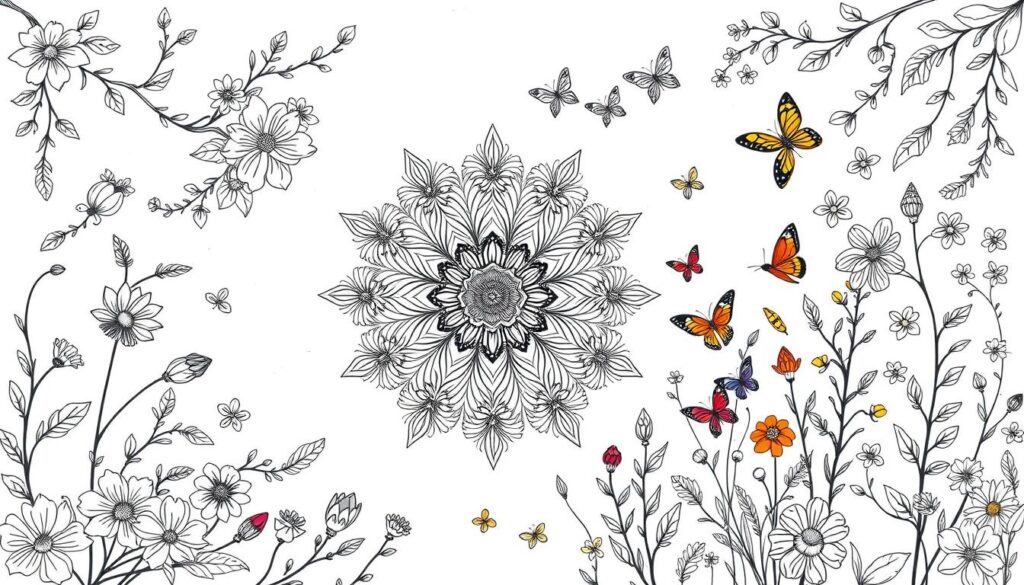
Creating coloring pages is a mix of creativity and technical skills. A good coloring page can grab the audience’s attention. It makes coloring fun and engaging.
Tools and Software Options
Choosing the right tools and software is key. Adobe Illustrator is great for detailed designs. Pixlr is especially good for turning images into coloring pages. It makes changing colors easy.
Other favorites include Procreate and Canva. They are easy to use and have lots of features. The software you pick depends on the complexity and style you want.
Tips for Creating Engaging Illustrations
Think about who you’re making the illustrations for. Intricate designs are perfect for adults who want a challenge. But, simpler designs are better for kids.
- Use a mix of simple and complex designs to cater to different skill levels.
- Ensure the illustrations are visually appealing and relevant to the theme.
- Consider the age and interests of the target audience when designing.
Ensuring Page Quality
Page quality is vital for a coloring book’s success. High-resolution images are needed for clear prints.
Make sure the pages are right for the audience. They should not be too hard or too easy.
Formatting Your Coloring Book
Formatting is key when making a coloring book. A good format makes the book look great and fun to use. It makes sure the content is engaging and easy to follow.
Page Size and Layout Considerations
Choosing the right page size and layout is important. The size depends on who you’re making the book for and how detailed the designs are. For example, bigger pages are good for complex designs, while smaller ones work for simpler ones.
Popular page sizes are 8.5 x 11 inches and 5 x 7 inches. The layout should be simple and easy to follow. Make sure there’s enough space between pictures to avoid clutter.
Setting Up Margins and Bleeds
Margins and bleeds are key when formatting your coloring book. Margins are the blank areas around the content. Bleeds are the extra areas that go beyond the page edge.
Setting up margins right keeps your content from being too close to the edge. This makes coloring easier. Bleeds help avoid white edges around your pictures after trimming.
Adding Text and Instructions
Adding text and instructions can make your coloring book better. It can include tips on coloring, suggestions for tools, or notes about the themes and pictures.
The font should be easy to read. You can use bold or italic text to highlight important points. Make sure the text doesn’t get in the way of the coloring areas.
Print vs. Digital Coloring Books
Creators have two main options for coloring books: print and digital. Each has its own benefits and drawbacks. It’s important to know these when deciding how to publish your coloring book.
Pros and Cons of Each Format
Print coloring books provide a hands-on experience many love. They can be used anywhere without a device. But, they can be heavy to carry, especially with many books.
Digital coloring books are easy to carry and share. They work on tablets or smartphones. Yet, they need a device to use and the quality can vary based on the screen.
Print books are more traditional but cost more to produce and distribute. Digital books are cheaper but need a device, which can be a drawback.
Pricing Considerations for Digital Products
Setting prices for digital coloring books is key. They can be cheaper since they don’t have production and shipping costs. But, the price should match the product’s value.
Consider the illustrations’ quality, design complexity, and audience when pricing. Offering different tiers or bundles can also attract more customers.
Choosing Your Distribution Method
The distribution method depends on your book’s format. Print books can be sold online, in stores, or directly. Digital books go through online stores or your website.
Think about commission rates, payment terms, and control over sales when choosing. Marketing and promoting your book to the right audience is also crucial.
Sourcing Art and Illustrations
To make a great coloring book, you need top-notch art and illustrations. These elements will grab your audience’s attention and make your book unforgettable.
Hiring an Illustrator vs. DIY
First, you must decide if you’ll hire an illustrator or do it yourself. Hiring an illustrator adds a professional touch and expertise. But, doing it yourself can save money and let you control the art fully.
Think about these points when choosing:
- Your artistic skills and experience
- The complexity and style of the illustrations needed
- Your budget for the project
- The time you have available to dedicate to creating the illustrations
Licensing Considerations for Art
If you use existing art, you must understand licensing. Using art without permission can cause legal problems. You can create original work, use public domain images, or get the right licenses.
Here’s a look at different licensing options:
| License Type | Description | Cost |
|---|---|---|
| Royalty-Free | Can be used multiple times without additional fees | One-time payment |
| Rights-Managed | Licensed for specific use and duration | Variable, based on use |
| Public Domain | No copyright restrictions | Free |
Finding Stock Images
If you don’t want custom art, stock images are a good choice. Many websites offer high-quality stock illustrations for coloring books. Some top sites include:
- Shutterstock
- Getty Images
- Illustration Ltd
Always check the licensing terms when using stock images to avoid legal trouble.
By thinking carefully about your art and illustration choices, you can make a coloring book that looks great and keeps your audience interested.
Self-Publishing Your Coloring Book
Self-publishing a coloring book involves several key steps. This method is popular because it offers flexibility and creative control.
Traditional Publishing vs. Self-Publishing
Authors must weigh the pros and cons of traditional and self-publishing. Traditional publishing brings prestige and wider reach but has a long process and less control. Self-publishing, however, gives authors control, potentially higher royalties, and a quicker release.
- Traditional publishing: prestige, wider distribution, less creative control.
- Self-publishing: creative control, higher royalties, faster publication.
Steps to Self-Publish Successfully
To self-publish a coloring book successfully, follow these steps:
- Prepare your manuscript: Make sure your coloring pages are edited and formatted right.
- Design an appealing cover: Your cover is key to attracting buyers.
- Choose a self-publishing platform: Options include Amazon Kindle Direct Publishing (KDP) and IngramSpark.
- Format your book: Make sure it’s ready for digital and print-on-demand.
- Set your price: Research to price your coloring book competitively.
Marketing Your Coloring Book
Marketing is key for your coloring book‘s success. Use social media to show your work, engage with your audience, and build a community. Running promotions or collaborating with influencers can also boost visibility.
| Marketing Strategy | Description |
|---|---|
| Social Media | Use platforms like Instagram and Facebook to showcase your coloring book. |
| Influencer Collaboration | Work with influencers to promote your coloring book to their followers. |
Creating a Companion Guide
Think about making a companion guide to make coloring more fun. This guide can add more depth and excitement to your coloring book.
Additional Activities and Resources
A companion guide can have lots of extra stuff to make coloring better. Here are some ideas:
- Coloring tips and techniques
- Relaxation exercises
- Creative writing prompts
- Do-it-yourself (DIY) crafts related to the coloring book theme
These extras can make your coloring book more enjoyable and rewarding.
Enhancing the Coloring Experience
The guide can also make coloring itself better. You can include:
- Guided meditations tailored to the coloring book’s themes
- Color theory explanations to help users choose their palettes
- Stories or anecdotes related to the illustrations
These elements can make the coloring experience more immersive and fun.
Building a Community Around Your Book
A companion guide can also help build a community around your coloring book. You can ask users to share their work, give feedback, and join discussions.
This way, you can grow a loyal fan base and get more people talking about your book.
Key benefits of a companion guide include:
- Enhanced user engagement: More resources and activities keep users interested in your book.
- Increased customer loyalty: A good guide can make customers feel more connected to your brand.
- Marketing opportunities: Use the guide to promote your book and other products.
Pricing Your Coloring Book
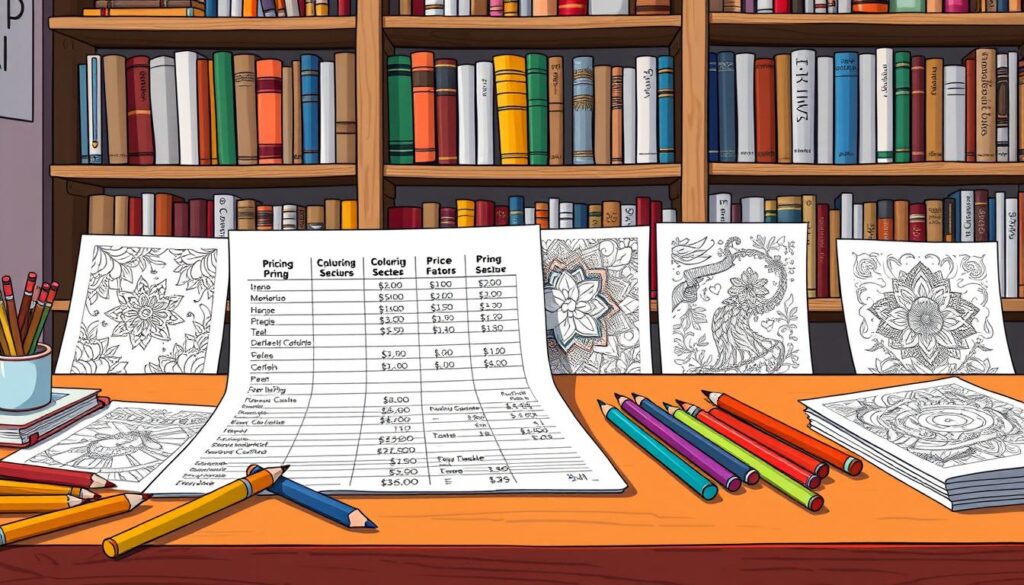
Figuring out the right price for your coloring book is key. You need to know your audience and the market well. Look at what others charge, think about your costs, and plan how to promote it.
Factors Influencing Pricing
Many things can change your coloring book’s price. These include the cost to make it, how detailed the pictures are, and what people are willing to pay.
- The cost of printing and distributing the coloring book.
- The time and expertise invested in creating the content.
- The perceived value by the target audience.
Knowing these can help you set a price that’s fair and makes you money.
Competitive Analysis
It’s important to check what others are doing. Look at similar coloring books to see how they price theirs.
This helps you find where you can stand out and what you can offer differently.
- Identify similar coloring books in terms of quality and theme.
- Analyze their pricing and promotional strategies.
- Determine how your product can offer more value or unique features.
Offering Promotions and Discounts
Using promotions and discounts can draw in more customers. Think about offering special deals or discounts to get people to buy.
These can make your coloring book more exciting and attract new fans.
- Offer discounts for first-time buyers or loyalty rewards.
- Create bundle deals with other related products.
- Use social media to promote your offers and engage with your audience.
Marketing Strategies for Your Coloring Book
To market your coloring book well, use many strategies. A good plan can make your book more visible, sell more copies, and gain loyal fans.
Leveraging Social Media
Social media is great for promoting your coloring book. Share sneak peeks, finished pages, and behind-the-scenes stuff to grab attention. Use Instagram, Facebook, and Pinterest to show off your work and talk to your fans.
Use hashtags like #coloringbook and #adultcoloring to reach more people. Share posts from your fans to build a strong community.
Collaborating with Influencers
Working with influencers in coloring and art can grow your audience. Find influencers who match your brand and love coloring books. Work together on content, deals, or special giveaways to boost interest and sales.
Choose influencers based on their followers, how engaged they are, and the quality of their content. A good partnership can make your coloring book more visible and trusted.
Attending Art and Book Fairs
Going to art and book fairs is a chance to show off your coloring book to the right people. These events let you meet potential buyers, get feedback, and spread the word about your brand.
Set up an eye-catching booth, offer demos or workshops, and have business cards or flyers ready. Talking to people can help you understand what they like and improve your marketing.
By using these marketing strategies, you can promote your coloring book effectively. Keep at it, listen to feedback, and adjust your plan to get the best results.
Gathering Feedback and Improving
After you publish your coloring book, getting feedback is key. It helps you see how it’s doing and what you can make better. This feedback can come from many places, like customers, reviewers, or social media.
Encouraging Customer Reviews
Ask your customers to leave reviews on sites like Amazon or Goodreads. Good reviews can make your book more visible. Meanwhile, helpful criticism can help you improve your next projects.
Making Adjustments
Use the feedback to tweak your coloring book. You might fix mistakes, enhance the design, or add more pages.
Planning Future Editions
Think about the feedback when planning your next coloring book. This way, you can make something that your audience will love and stay ahead in the market.
By always asking for feedback and improving, you can grow a loyal fan base. You’ll also become a respected creator in the field.
To download ready-made coloring books: here