
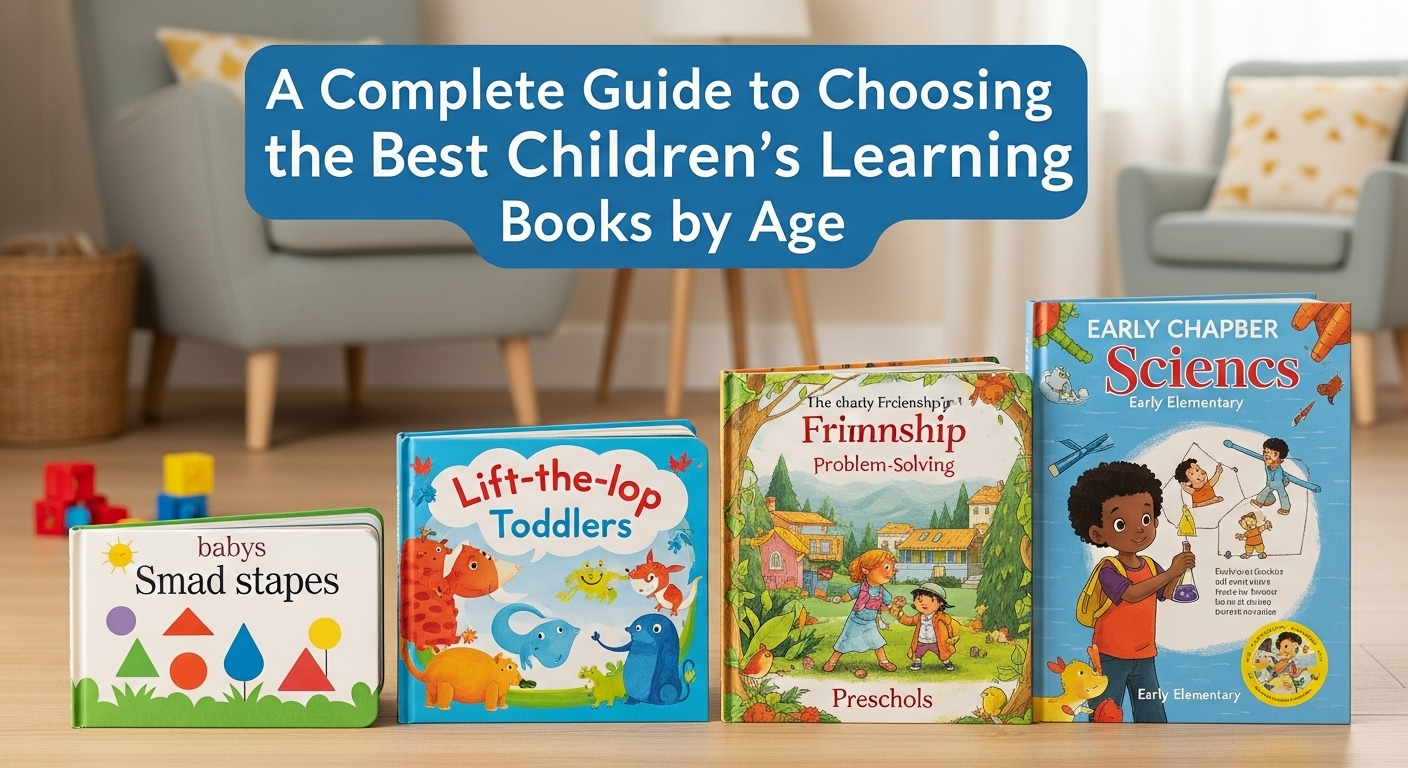
Selecting the right books for children is one of the most impactful decisions parents and educators make in nurturing young minds. Books shape language development, spark imagination, and build the foundation for lifelong learning. However, with thousands of titles available, choosing age-appropriate books that engage and educate can feel overwhelming. This comprehensive guide breaks down the essential considerations for selecting children’s learning books at every developmental stage, helping you make informed choices that will foster a love of reading.
Understanding Developmental Stages and Reading Needs
Children’s cognitive abilities, attention spans, and interests undergo significant development from infancy through adolescence. A book that captivates a four-year-old might bore a seven-year-old, while content perfect for a pre-teen could overwhelm a kindergartener. Understanding these developmental milestones is crucial for selecting books that challenge without frustrating, entertain while educating, and match both reading ability and emotional maturity.
Beyond age alone, consider individual differences in reading readiness, interests, and learning styles. Some children gravitate toward fiction while others prefer factual content. Visual learners benefit from richly illustrated books, while auditory learners might enjoy rhythmic text and wordplay. The best book selection strategy considers both general age guidelines and individual preferences.
Infants and Toddlers (0-2 Years): Laying Early Foundations
During these crucial early years, books serve as sensory experiences rather than traditional reading materials. Board books with sturdy pages withstand enthusiastic handling, while cloth and bath books make reading possible anywhere. Look for high-contrast images that capture developing vision, simple patterns, and bold colors. Touch-and-feel textures, lift-the-flap features, and sound buttons add interactive elements that maintain engagement.
Content should focus on familiar objects, daily routines, and basic concepts. Single words or very short sentences work best, with plenty of repetition to reinforce language patterns. Books featuring faces, especially those showing different emotions, help develop social awareness. Nursery rhymes and simple songs in book form support phonemic awareness, the foundation of later reading skills. Choose books with clear, realistic photographs or simple illustrations rather than abstract art. Size matters too; smaller hands need books they can manipulate independently.
Preschoolers (3-5 Years): Expanding Horizons
Preschoolers are ready for longer stories with simple plots and relatable characters. Picture books dominate this stage, with illustrations carrying much of the narrative weight. Look for books with predictable patterns, recurring phrases, and opportunities for participation. Stories about everyday experiences help children process their own emotions and experiences, while fantasy elements feed growing imaginations.
Alphabet books, counting books, and concept books that focus on colors, shapes, and opposites support kindergarten readiness. Choose books with clear story arcs that demonstrate cause-and-effect, problem-solving, and basic moral concepts. Humor becomes increasingly important; silly stories and wordplay delight this age group. Books should still be short, typically under 1000 words, with plenty of visual breaks. Consider series books that feature familiar characters, as these offer comfort while building anticipation for the next installment.
Early Elementary (6-8 Years): Transitioning to Independence
This stage marks the exciting transition from being read to toward independent reading. Early readers require books specifically designed for developing literacy skills, featuring controlled vocabulary, larger fonts, and generous spacing. Leveled readers and beginning chapter books bridge the gap between picture books and longer, more complex novels. Look for books with chapters of manageable length, simple sentence structures, and context clues that support comprehension.
Topics should align with expanding interests, such as friendship dynamics, school experiences, family relationships, and beginning adventures. Non-fiction becomes increasingly appealing, especially books about animals, space, dinosaurs, and science. Graphic novels and hybrid formats that combine illustrations with text can motivate reluctant readers. While children are developing independent reading skills, continue reading aloud more complex stories to build vocabulary and comprehension beyond their current reading level.
Middle Elementary (9-11 Years): Deepening Engagement
Middle elementary readers are ready for more complex plots, developed characters, and nuanced themes. Chapter books and middle-grade novels can explore the challenges of friendship, family changes, and moral dilemmas. Fantasy and adventure stories captivate many readers of this age, while others dive into realistic fiction that mirrors their experiences. Historical fiction introduces different time periods and cultures while maintaining narrative appeal.
Non-fiction options include biographies, science topics, and books about hobbies and interests. Look for books that challenge without overwhelming, typically ranging from 20,000 to 50,000 words in length. Series books remain popular, offering familiar characters while introducing increasingly sophisticated storylines. Consider books that tackle important topics, such as diversity, empathy, and resilience, through age-appropriate narratives. Encourage variety in genre selection to develop well-rounded readers.
Tweens and Teens (12+ Years): Sophisticated Themes
Young adult literature addresses the complex emotional and social landscape of adolescence. Books at this level explore themes such as identity, relationships, social justice, and coming of age. Contemporary realistic fiction helps teens understand their own experiences, while dystopian and fantasy novels provide metaphorical frameworks for understanding society. Romance elements often appear but should be age-appropriate.
Nonfiction for teens encompasses books on career exploration, personal development, social issues, and specialized interests. Biographies of inspiring figures, particularly those who overcame challenges, resonate strongly. Look for books that respect teenage intelligence while providing appropriate content. Length varies widely, from quick reads under 200 pages to epic novels exceeding 500 pages. Consider content warnings and reviews to ensure that books align with family values while allowing for appropriate exploration of mature themes.
Creating a Balanced Reading Diet
Just as nutritional variety supports physical health, reading variety promotes intellectual growth. Balance fiction with non-fiction, familiar with challenging, serious with humorous. Include books that reflect your child’s experiences and identity alongside windows into different cultures and perspectives. Classic literature provides cultural literacy, while contemporary books offer relevance and representation.
Don’t overlook poetry, plays, and other formats that add texture to reading experiences. Magazines, newspapers, and quality online content supplement book reading. Remember that graphic novels and comics are legitimate reading materials that build comprehension skills through visual literacy. The goal is to develop enthusiastic, capable readers who see books as sources of both information and pleasure.
By understanding the developmental stages and carefully choosing age-appropriate, engaging learning books, parents and educators can inspire a lifelong love of reading in the children they nurture. Happy reading!
Making Books Accessible and Appealing
Creating a reading-rich environment extends beyond simply selecting books; it also involves cultivating a culture of reading. Fostering a love for reading requires intentionality and creativity, enabling both parents and educators to make reading an integral part of children’s lives. Here’s how to create an inviting atmosphere that encourages children to explore the world of literature.
Establish Cozy Reading Spaces
Think about designating a special area in your home or classroom to serve as a cozy reading nook. This space should be inviting, comfortable, and stocked with a variety of reading materials. Soft seating, plenty of cushions, and good lighting can transform an ordinary corner into a magical reading retreat. Encourage children to personalize their space with items that resonate with them—be it favorite characters, art, or even fairy lights that make reading feel like an adventure.
Encourage Regular Library Visits
Libraries are treasure troves of literary resources. Regular visits can not only enhance children’s access to a wider array of books but also foster a sense of community around reading. Participate in library events—storytimes, author visits, or book fairs—that spark interest and engagement. Many libraries also offer summer reading challenges that motivate children to explore new genres and reward their reading efforts, ensuring that learning remains fun.
Let Children Participate in Book Selection
Empower children by involving them in the book selection process. Whether visiting bookstores, browsing library shelves, or curating wish lists, giving children agency fosters a deeper connection with reading. Discuss different book options and let them voice their preferences. Creating a sense of ownership around book selection can motivate even reluctant readers—and when children feel invested in their reading choices, they are more likely to continue exploring.
The Importance of Book Ownership
Research consistently shows that children who own books are more likely to become regular readers. Consider gifting books for special occasions, or set up a home library that encourages constant access to literature. Encourage family and friends to contribute to a child’s book collection, fostering a community that values reading. Donating or exchanging books with friends can also cultivate a sense of sharing and excitement around reading.
Embrace Multiple Formats
Books come in various formats—physical books, e-books, and audiobooks—each offering unique advantages in literacy development.
- Physical Books: Despite digital advances, the tactile experience of holding a physical book and turning its pages remains unmatched. The smell of paper, the texture of pages, and the act of flipping through illustrations all contribute to a richer reading experience.
- E-Books: Digital reading offers portability and accessibility. Many children may find enhanced engagement with interactive e-books that add elements like animations and narrations. Furthermore, e-readers often provide tools for adjusting font size and background color to support varying reading needs.
- Audiobooks: Audiobooks are particularly beneficial for struggling readers. They expose children to vocabulary and storytelling styles that extend beyond their current reading level. Listening to audiobooks can also assist with fluency, pronunciation, and comprehension. Furthermore, audiobooks can make stories accessible during car rides, and family time, or while relaxing at home.

The combined use of diverse book formats can create a more versatile and enjoyable reading experience.
The Ongoing Importance of Shared Reading
Even after children develop independent reading skills, shared reading experiences remain vital. Reading together bolsters comprehension and creates spaces for meaningful discussions. Discussing characters, themes, or asking questions about the story enriches the reading experience and helps solidify memories. These shared moments not only build strong relationships but also reinforce the importance of literature as a shared cultural experience.
Conclusion
Choosing the best children’s learning books requires an understanding of developmental stages, individual interests, and the diverse roles that books play in young lives. From sensory board books suited for infants to complex young adult novels for teens, each stage offers unique opportunities for growth, understanding, and discovery. By selecting age-appropriate books that challenge, engage, and delight, we equip children with the tools for academic success and the gift of lifelong learning.
Remember that the best book for any child is one they’re excited to read. Foster the joy of reading by celebrating progress, encouraging choice, and nurturing an environment that opens doors to infinite possibilities. As children dive into the world of books, they will not only cultivate their literacy skills but also embark on a thrilling journey that expands their horizons and ignites their imagination. Happy reading!